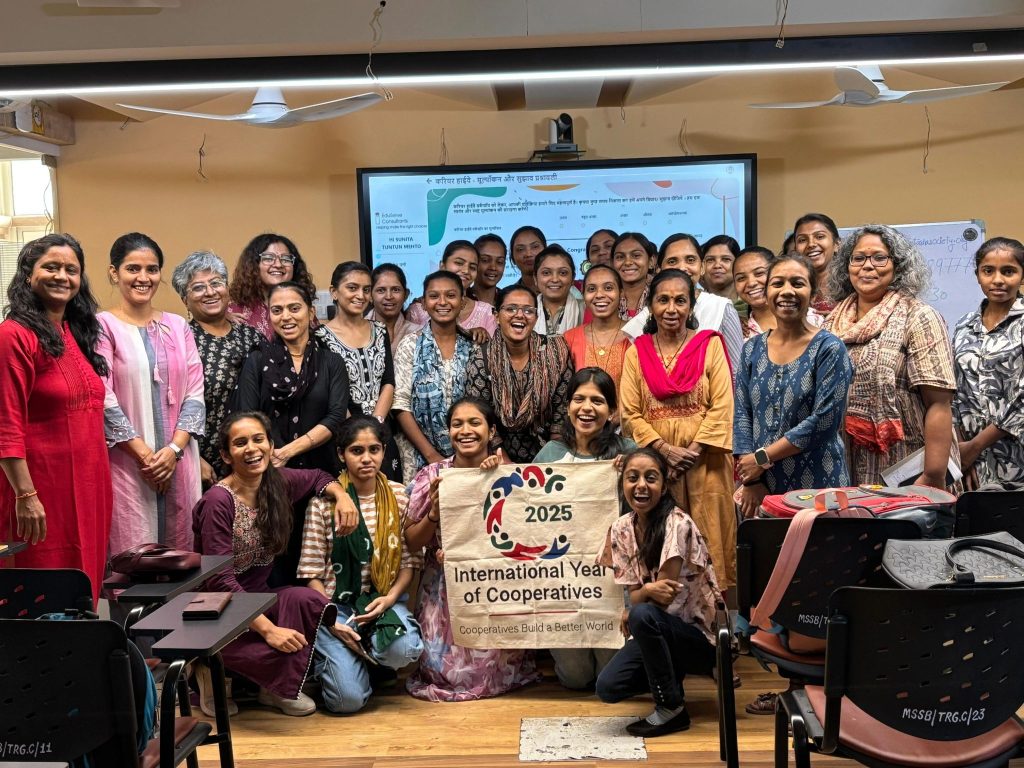
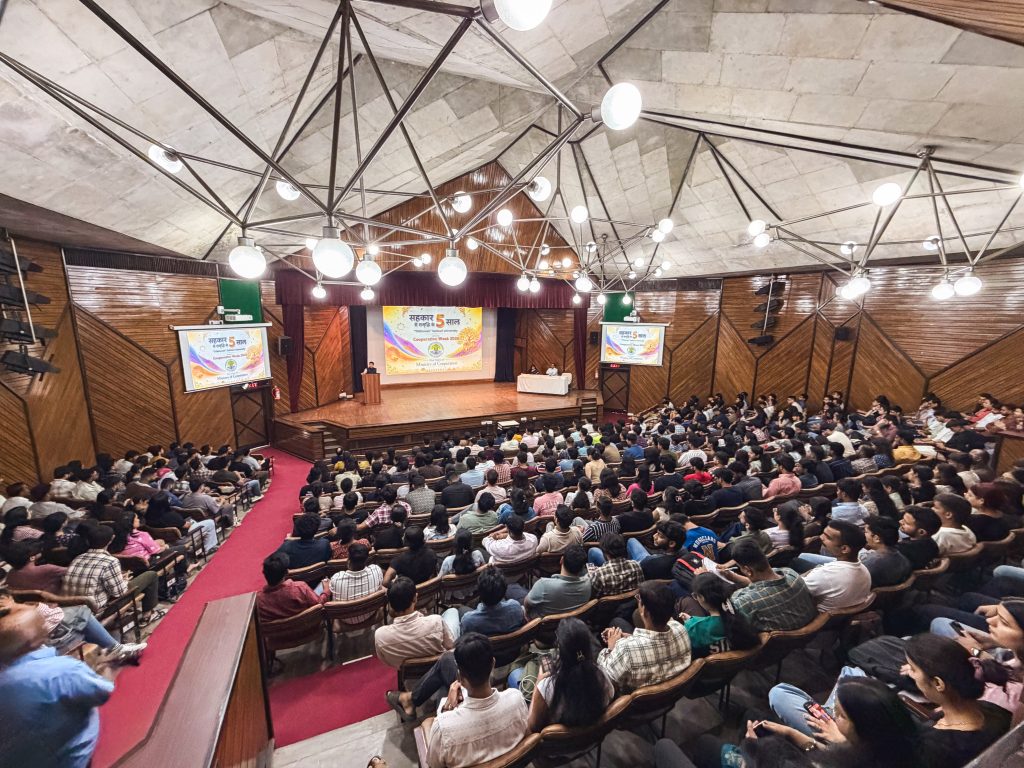
Earlier this month, I had the opportunity to address students at IRMA on the future of cooperatives. During the conversation, Naveen Patidar, CEO – AKRSP India, spoke about the irrigation cooperatives that emerged in South Gujarat many years ago. They were built around a very specific challenge. Farmers needed a reliable way to access and manage water collectively, and the cooperative became the institution that made that possible.
Listening to him, I found myself thinking: Perhaps every generation inherits the cooperative model, but not the same questions. The challenges that gave rise to many cooperatives in the past were shaped by the realities of that time. Irrigation, dairy, agricultural marketing and credit were not simply sectors. They were some of the most pressing needs of rural communities. Cooperatives emerged because people recognised that these problems were too large to solve individually.
That made me wonder.
If those were yesterday’s questions, what are today’s?
Over the past few years, our conversations with cooperatives have changed noticeably. Earlier, discussions often centred on starting an enterprise or strengthening production. Increasingly, the conversations begin somewhere else.
They begin with questions like these.
- How do we prepare the next generation to lead the cooperative?
- How do we keep members actively involved as the institution grows?
- How do we resolve disagreements without weakening trust?
- How do we respond when irregular weather affects an entire season’s income?
- How do women continue working when care responsibilities at home are increasing?
These may appear to be very different questions. Yet they point towards the same reality.
Communities are asking institutions to solve a new generation of problems.
We have seen this in our own work. Requests for leadership development are growing across different states. Increasingly, cooperatives are asking not only how members can build technical skills, but also how they can prepare the next generation to govern institutions, make collective decisions and take responsibility for what earlier generations created. Conversations about livelihoods often lead to discussions about childcare, elder care and the support systems that make women’s work possible. Climate variability is changing how cooperatives think about income security, planning and resilience. The questions are becoming more interconnected because people’s lives are becoming more interconnected.
What is interesting is that this shift is not limited to older cooperatives adapting to new realities. We are also seeing entirely new cooperatives emerge around contemporary needs.
One example is Bharat Taxi, where drivers have organised themselves through the cooperative model to strengthen their livelihoods and improve their collective bargaining. The sector is different. The need is different. Yet the principle remains remarkably familiar. People facing a shared challenge are choosing to solve it collectively rather than individually.
Perhaps that is the real strength of the cooperative movement.
We often describe cooperatives by the sectors they belong to: dairy cooperatives, irrigation cooperatives, credit cooperatives or handicraft cooperatives. But sectors change with time. Community needs change too. What remains constant is the ability of people to organise around a shared purpose and build institutions that outlast individual efforts.
As we mark World Youth Skills Day, this also feels like an important reminder. Preparing young people for the future is not only about employability. It is also about preparing them to strengthen the institutions their communities depend on. In the cooperative movement, that means learning how to listen, build trust, navigate differences and lead collectively. These are skills that become more valuable as institutions grow.
The next generation of cooperatives may look different from the previous one. Some may emerge around climate resilience. Others around care. Some may strengthen digital access, local services or new forms of work that are only beginning to take shape. The sectors will evolve, just as they always have.
The cooperative idea does not need to be reinvented.
It simply needs to keep listening.

I left the discussion at IRMA with a simple thought. The cooperative movement has remained relevant for more than a century because communities have continued to find new reasons to come together. Preparing the next generation to carry that spirit forward may be one of the most important skills we invest in today.
What new questions are the communities you work with bringing to you?
Authored by Jigisha Maheta, Managing Director of SEWA Cooperative Federation.