The geopolitical shocks across global energy markets, coupled with pre-war inflation, US-sanctioned tariffs, an erratic weather cycle in 2026, and a looming Super El Niño over the subcontinent have pushed Indian farmers, particularly women smallholders, into increasing precarity. For those cultivating just two to five bighas of land, the soaring costs of crude by-products such as petrol, diesel, and Liquefied Petroleum gas (LPG) have assumed a distinctly local dimension. Women smallholders are navigating not only escalating agricultural production costs but also rising household expenditure on cooking fuel, forcing difficult choices over both cultivation and domestic consumption.
Smallholders are increasingly squeezed between rising cultivation costs and stagnant market returns dominated by vyaparis (traders), placing significant strain on household budgets. At the household level, increasing prices of LPG and kerosene have further intensified pressures on women, who continue to manage cooking fuel consumption alongside agricultural responsibilities. The immediate fallout of rising diesel prices is felt at the beginning of every agricultural season, during land preparation, irrigation, harvesting, and transport.
Farmers in Central Gujarat’s Kheda district are among those negotiating this overlapping economic and climatic crisis while simultaneously coping with depleted groundwater, prolonged heatwaves, and declining soil health. Smallholders in the district cultivate paddy, tobacco, pulses, and vegetables under increasingly uncertain climatic conditions. For women farmers, the consequences of rising fuel prices extend well beyond agricultural production, reshaping everyday decisions around mobility, household expenditure, and food security.
“Renting a tractor for a single plough has shot up from 50% per bigha,” says 35-year-old Diwali Raymalbhai, a farmer from Parsantaj village and member of Vatrak Mahila Khet Utpadak Sahakari Mandali (Vatrak Cooperative). “A double ploughing session now costs up to ₹1,200, and thresher rents are up by 15-20%.”
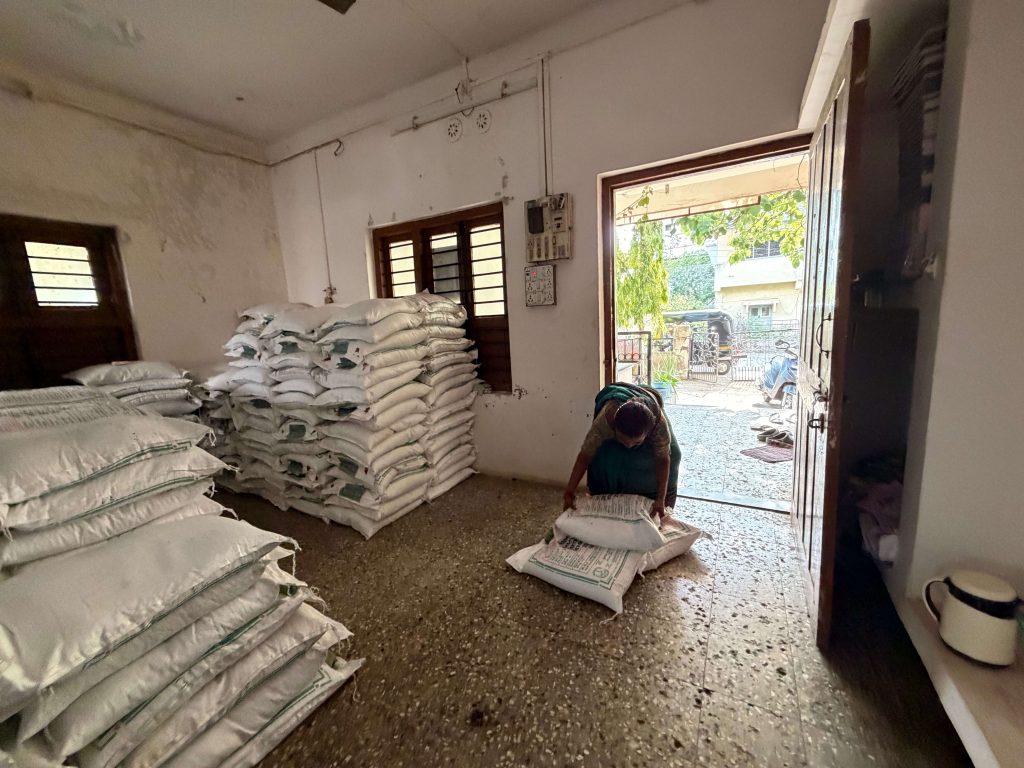
The cascading increase in fuel prices has simultaneously driven up the costs of seeds, fertilisers, pesticides, bed saplings, and cattle feed. “The fertilisers and DAP costs have increased by at least ₹200 in the markets,” adds Diwali’s husband, Shambhu. Yet, despite these rising investments, market returns have remained largely unchanged.
“Despite this high-input threshold, traders offer no matching profit margins. Expenses double, and we don’t even get a quarter of what we should. Loss keeps happening,” Diwali explains.
For many farming households, diesel is not merely an agricultural input but an essential resource underpinning everyday life.
“We need diesel for operating tractors, operating motorbikes, and operating threshers to harvest wheat and paddy. We have one tractor in our extended family and a thresher machine,” says 50-year-old woman farmer Amrat Bariya from Jesvapura village, also a member of the Vatrak Cooperative.
“The price rise did not only make the diesel needed for farming machines like tractors and threshers expensive, the diesel itself was simply not available at the pumps on several days. Later, when supplies resumed, diesel remained in short supply. We had to stand in long queues outside fuel stations during peak summer. Our daily routine was affected. We could not use the motorbike for purchasing milk, groceries, or attending to other day-to-day work.”
While women farmers have little control over global fuel markets or agricultural prices, many are adapting in practical ways to reduce one significant household expense: cooking fuel.
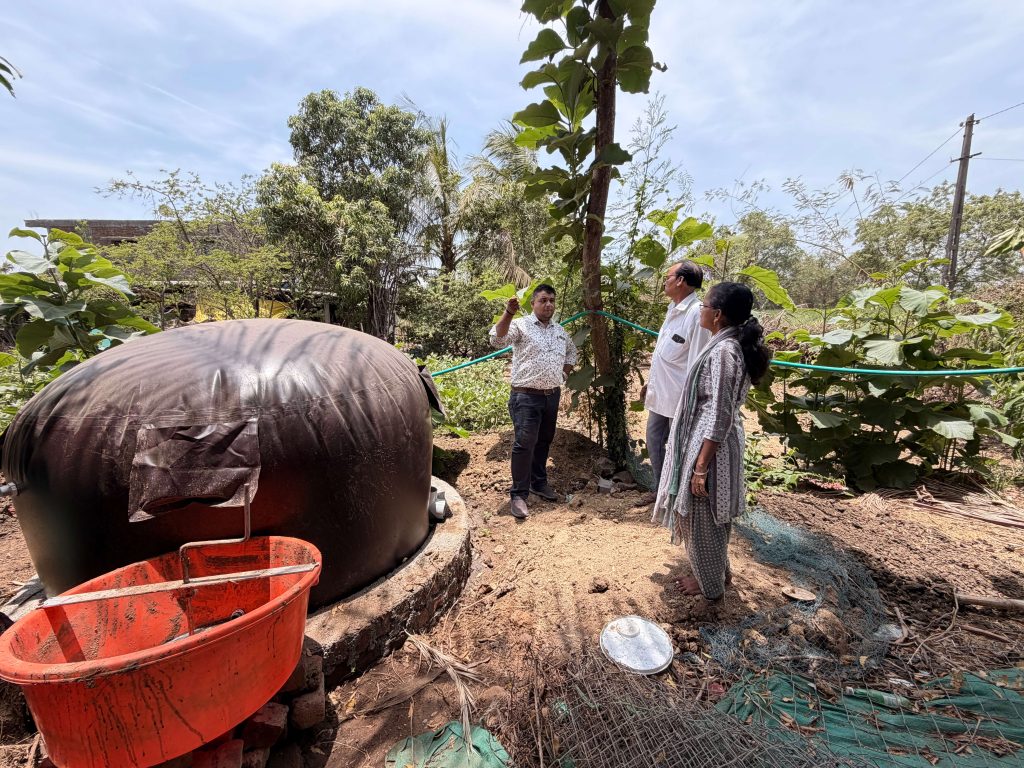
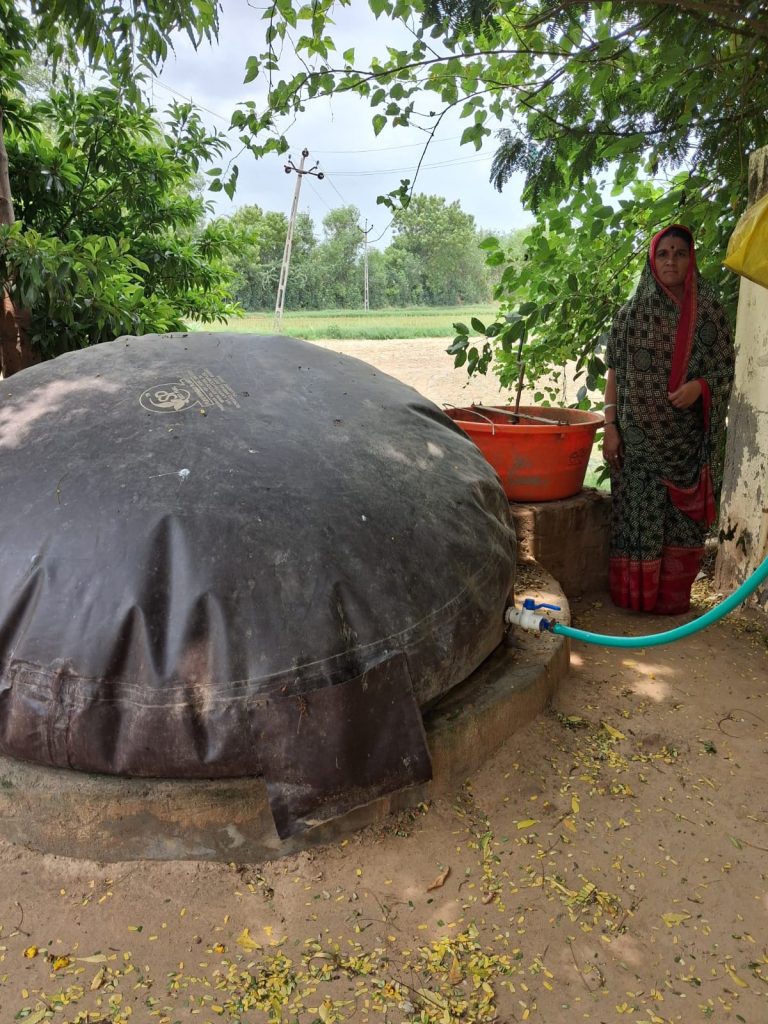
Several women farmers associated with the Vatrak Cooperative have begun transitioning from domestic LPG to household biogas systems. The shift provides an affordable source of cooking fuel while simultaneously producing nutrient-rich slurry, enabling farmers to access high-quality organic fertiliser and reduce dependence on increasingly expensive agricultural inputs.
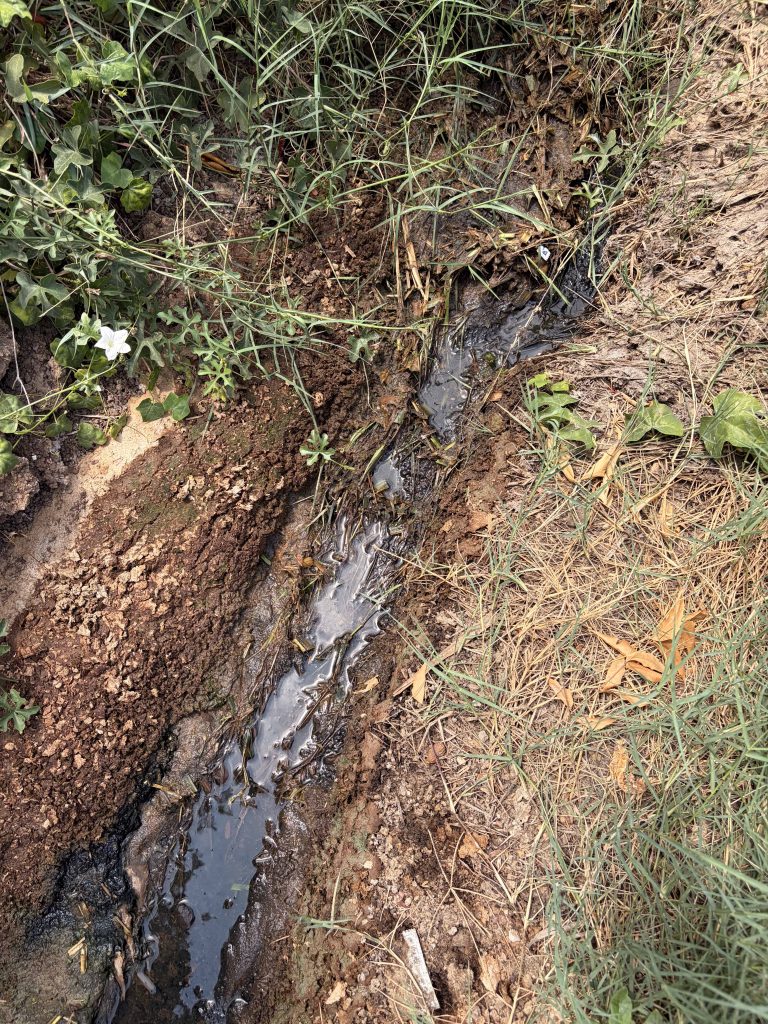
Biogas, commonly known as gobar gas, is produced through the anaerobic decomposition of cattle dung inside an airtight biodigester over a period of 20 to 30 days. The process generates both cooking gas and nutrient-rich slurry. While the gas substitutes LPG for household cooking, the slurry is applied to agricultural fields as an organic fertiliser, reducing expenditure on chemical inputs.
The transition has become particularly significant as LPG prices continue to rise. A domestic LPG cylinder (14.2 kg) is currently priced at ₹949.50 in Gujarat, reflecting an increase of ₹89 between August 2025 and July 2026. For smallholder households, recurring expenditure on cooking fuel represents a considerable financial burden alongside rising agricultural input costs.
“We have been using biogas for one year. Earlier, we needed four LPG cylinders annually for our household of six people. After shifting to biogas, we discontinued LPG and paid a one-time cost of ₹10,000 for the biogas tank and another ₹5,000 for installation,” says Amrat.
“Biogas lasts throughout the year compared to LPG, which would last for less than four months. Even the food prepared on a biogas flame tastes better than food cooked on LPG,” she adds.
Another farmer, Raymal Vaghela, echoes the financial benefits.
“Biogas saves the cost of at least four LPG cylinders. Earlier, our family of five required four cylinders every year. We are saving at least ₹1,000 every quarter, which we otherwise spent on trips to the gas agency for refilling cylinders. Our household shifted to biogas six months ago.”
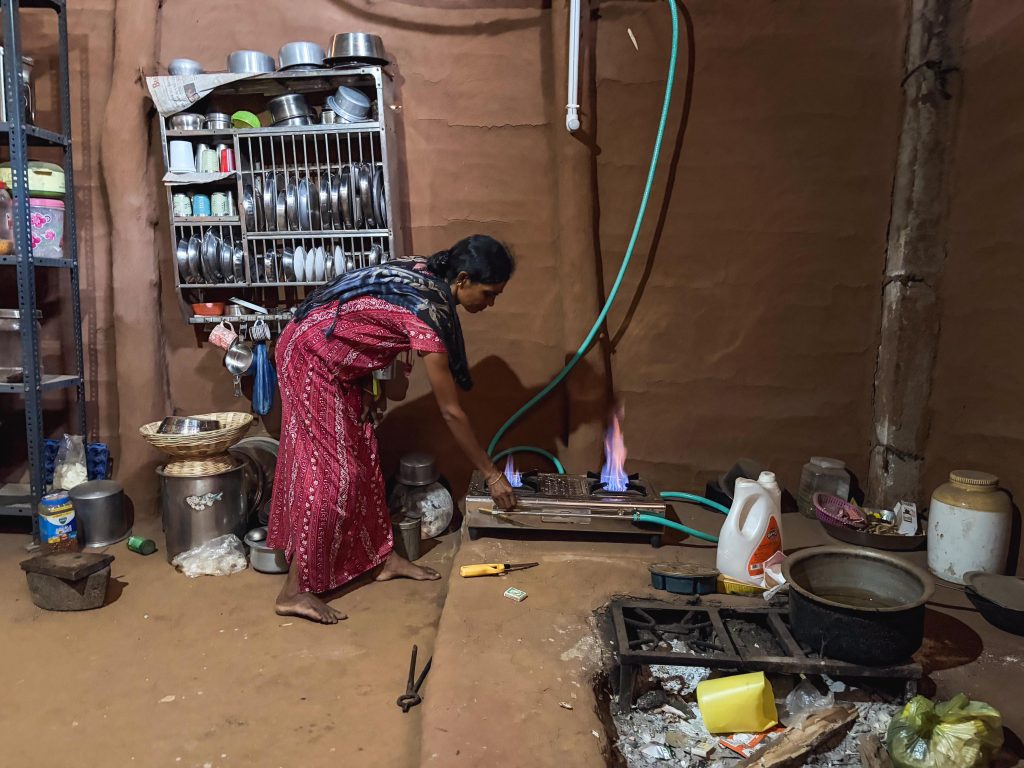
To date, eleven women farmers from the Vatrak Cooperative have transitioned from LPG to biogas for household cooking. While biogas cannot offset rising diesel prices or resolve the structural challenges confronting smallholder agriculture, it enables farming households to reduce dependence on commercial cooking fuel while generating organic fertiliser that lowers cultivation costs.
In Kheda, these household-level adaptations illustrate how women smallholders are responding to an interconnected energy, climate, and livelihood crisis through locally grounded solutions that strengthen resilience amid growing uncertainty.
Authored by Bhargav Oza, Research Consultant @ SEWA Cooperative Federation.