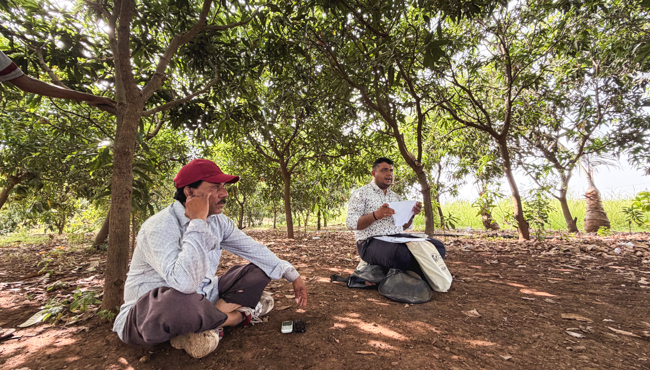
Across cooperatives, climate stress is shaping how work is carried out. Extreme heat, shifting rainfall, and water constraints affect when work happens, how much is produced, and the conditions under which women work.
These changes influence not only income, but also health, safety, and the viability of cooperative enterprises over time.
Climate impacts vary across sectors but show common patterns. In agriculture, rainfall variability affects cropping cycles and input decisions. In urban and home-based work, heat stress alters work hours, productivity, and safety.
The Workspace Mapping Study highlights how extreme heat directly affects women artisans’ work environments showing differences between home-based and shared workspaces, and gaps in infrastructure that limit adaptation.
At the same time, climate stress often leads to increased unpaid labour, health risks, and unstable incomes, particularly where protective systems are limited.
The focus is on how cooperatives recognise and respond to changing conditions in ways that support both livelihoods and enterprise continuity.
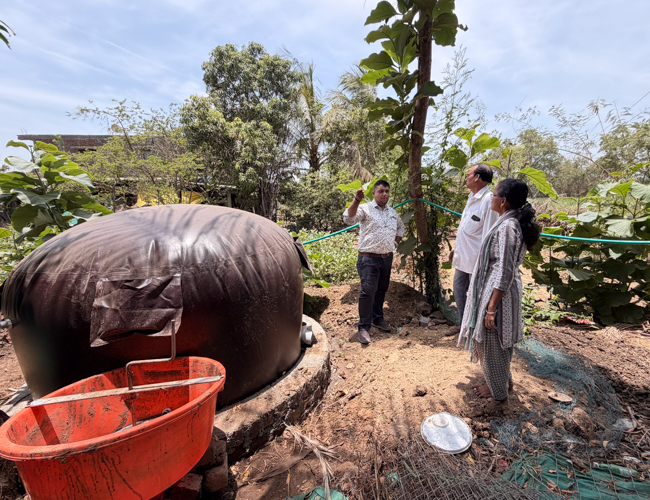
This includes supporting locally grounded responses such as women’s cooperatives installing biogas systems to reduce fuel dependence and time burdens, and initiatives like VimoSEWA developing parametric insurance products that respond to excess heat and rainfall.
These efforts are complemented by ongoing work to understand how climate risks affect workspaces, production, and planning—ensuring that responses are shaped by cooperative practice rather than external templates.
Climate-responsive initiatives in women’s cooperatives.