SEWA Cooperative Federation Knowledge Hub

SEWA Cooperative Federation documents and shares insights from working with women’s cooperatives across sectors. The Knowledge Hub brings together reports, policy briefs, studies, and media that reflect how cooperative enterprises function and evolve.

Browse recent publications, explore different types of knowledge, or access key documents that trace how this work has developed.
Filter

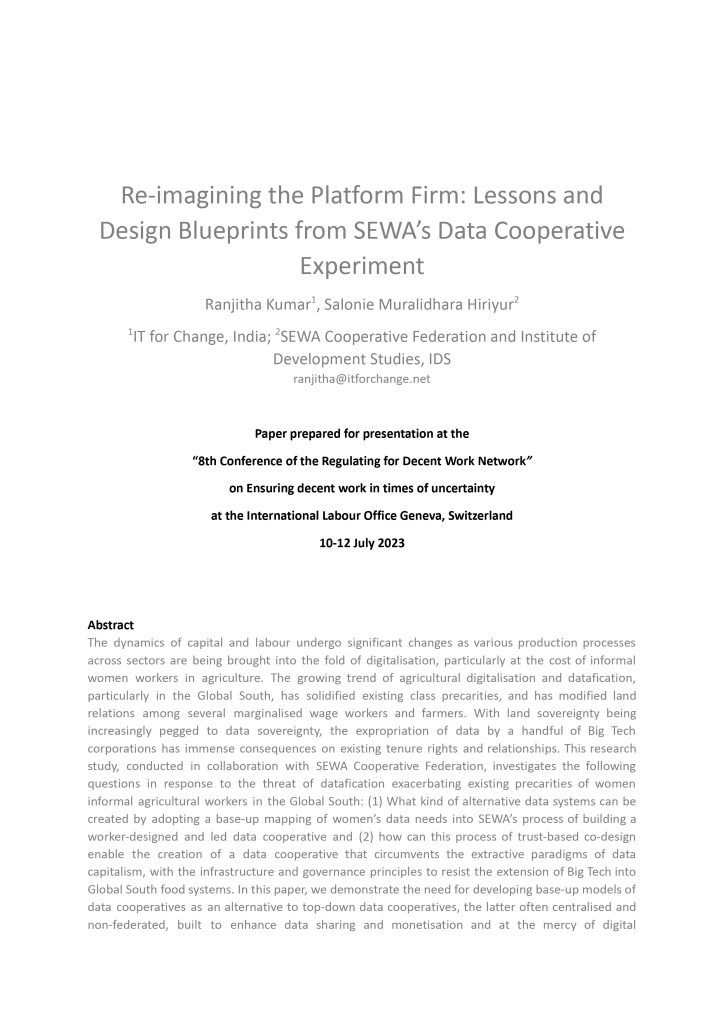
Re-imagining the Platform Firm: Lessons and Design Blueprints from SEWA’s Data Cooperative Experiment | A Research 

This research explores how women farmers can collectively own, govern, and benefit from data in an increasingly digitalised agricultural economy.

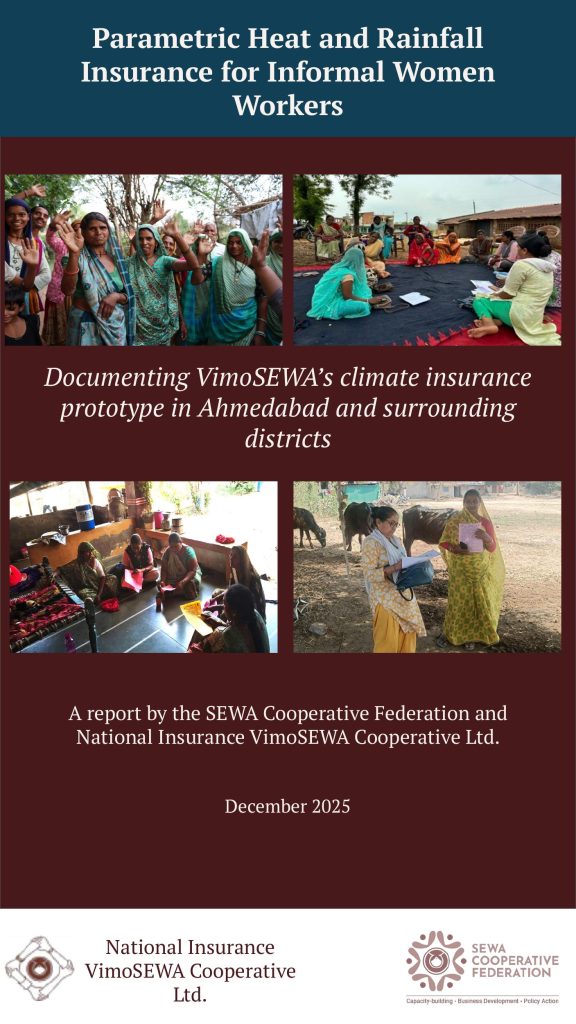
Parametric Heat and Rainfall Insurance for Informal Women Workers | A Research for VimoSEWA

This research offers practical insights for designing gender-responsive climate insurance systems that are accessible, scalable, and rooted in the realities of informal work.

Rebuilding an Inclusive World | A Webinar Report

Women in the informal economy have borne the brunt of the COVID-19 pandemic due to a variety of factors, including the increased burden of care work, loss of livelihoods and continuing economic uncertainty.

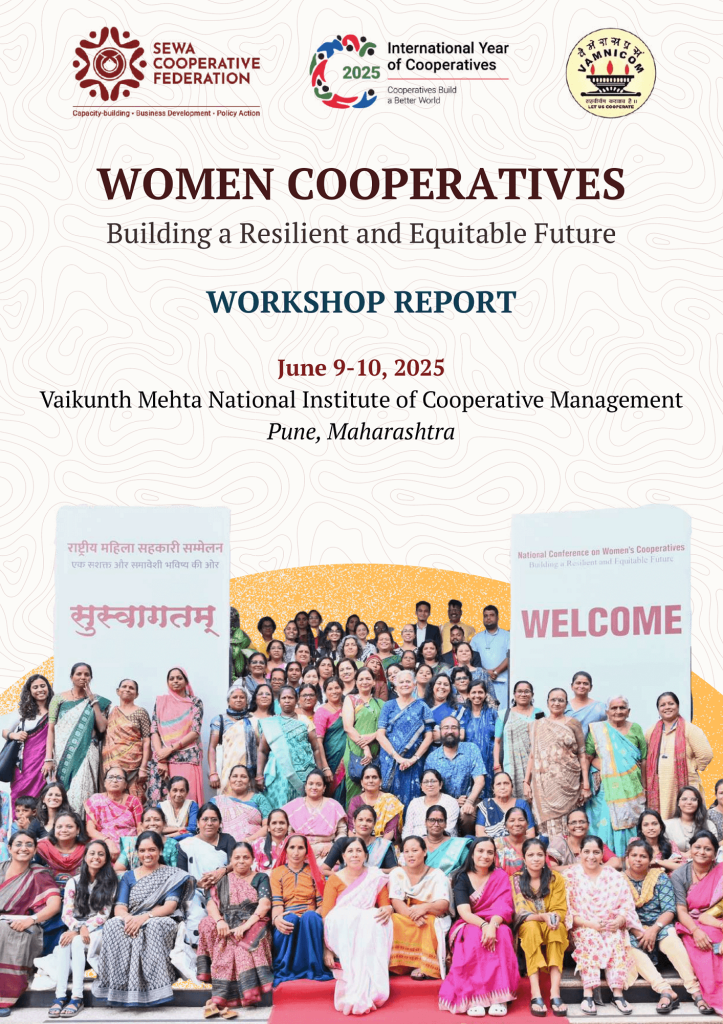
National Conference of Women Cooperatives with VAMNICOM (2025) | A Report

Women Cooperatives: Building a Resilient and Equitable Future captures the discussions, insights, and recommendations emerging from the National Conference on Women’s Cooperatives held in Pune in June 2025, jointly organised by SEWA Cooperative Federation and VAMNICOM.

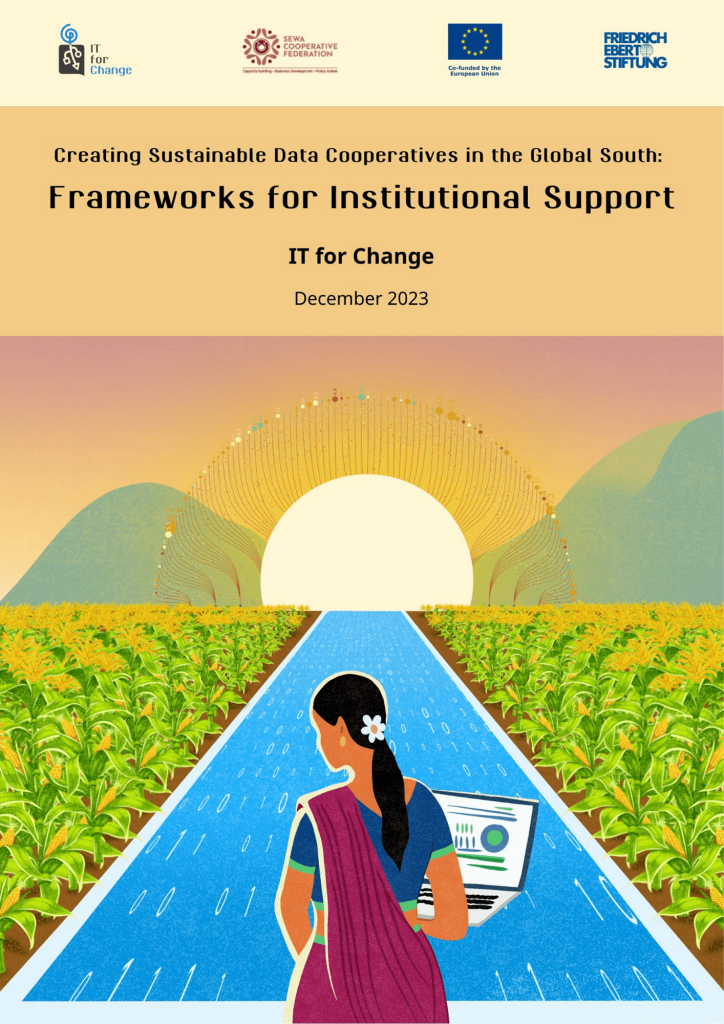
Creating Sustainable Data Cooperatives in the Global South | A Report by ITFC

This report offers practical recommendations for creating sustainable agricultural data cooperatives in India and the Global South that strengthen farmers’ bargaining power, improve market access, and ensure that digital transformation advances equity rather than deepening existing inequalities.

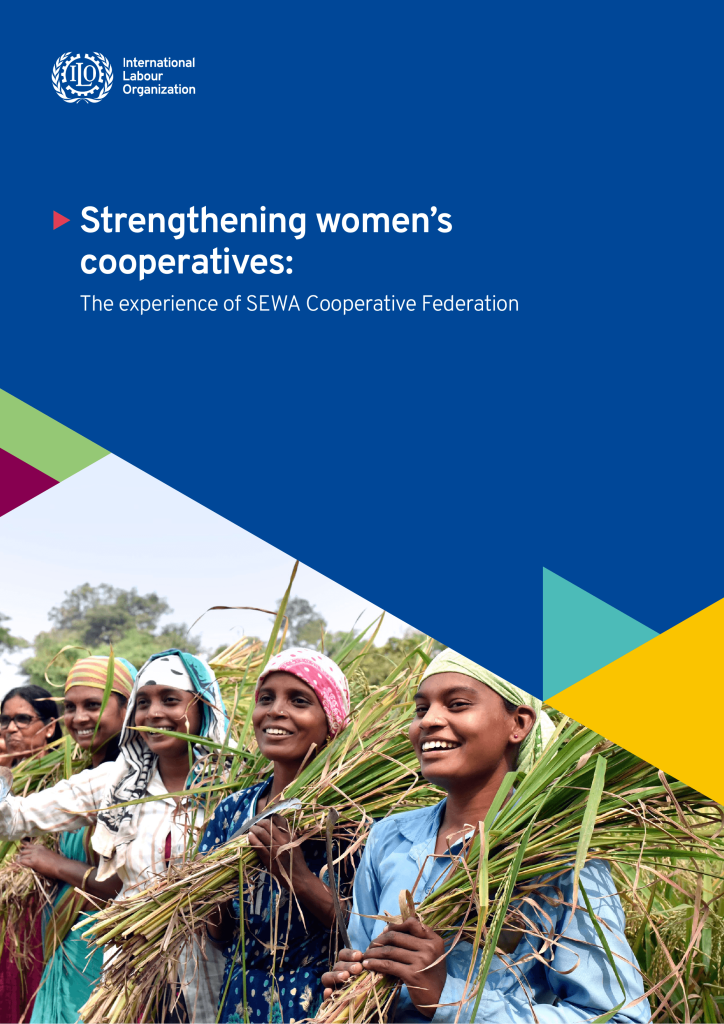
Strengthening Women’s Cooperatives : Experience of SEWA Cooperative Federation | A Report by ILO

Published in collaboration with the International Labour Organization (ILO), the report examines how cooperatives have enabled informal women workers to secure livelihoods, access social protection, strengthen leadership, and participate more effectively in the economy.